
The Vatic V-Sol Tour is releasing on September 1st at 10:00 am PST, but I got my hands on it early to share my review, but also compare it to other top $100 paddles from 2026.
I have tested a lot of paddles around the $100 price point recently, and this might be the most competitive paddle category in pickleball right now. A few years ago, if you wanted this level of spin, power, foam-core feel, and overall playability, you were probably spending closer to $200. Now, there are paddles around $100 that legitimately compete with much more expensive options.
So, I wanted to compare four of my favorites: the Vatic Pro V-Sol Tour, Vatic Pro V-Sol Pro, Spartus Spitfire, and Pakle Fuse. Each paddle approaches that $100 price point a little differently, and I think all four make sense for different types of players. But there was one paddle that immediately stood out to me.
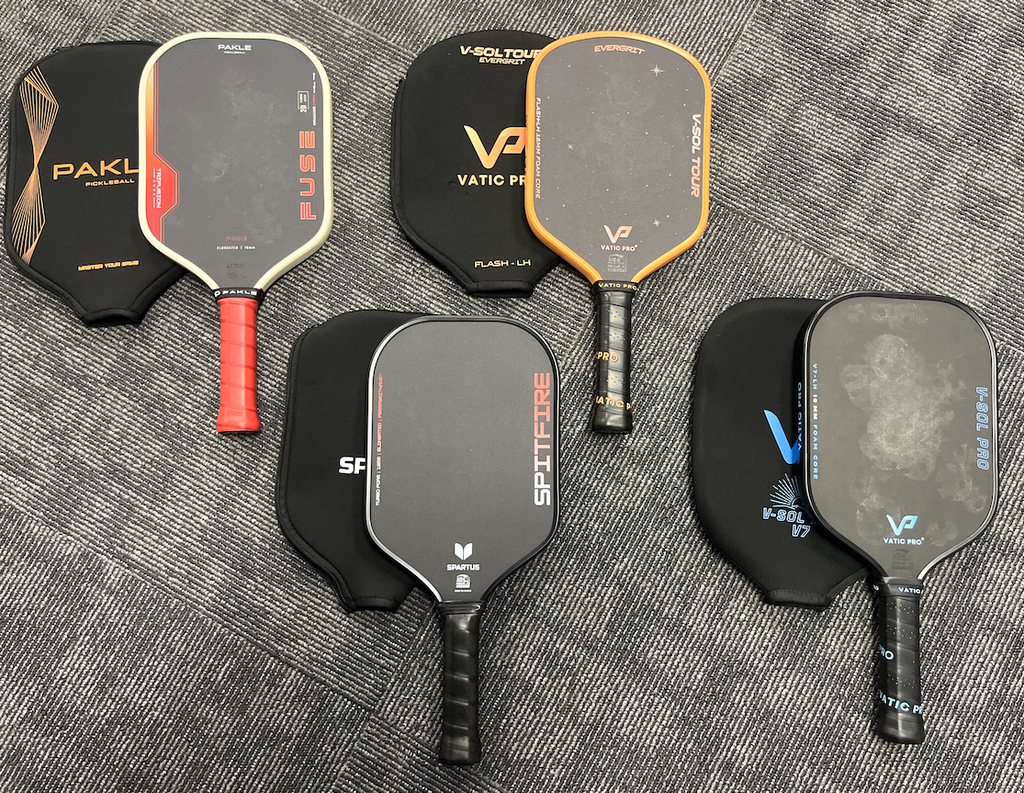
The Vatic V-Sol Tour might have the best grit I have ever felt on a paddle around $100 (after code BEPICKLEBALLER). It is right up there with some of the super-gritty paddles I have tested like the Coral Pro, 11six24 Power 2 series, and Honolulu Crystal Blue paddles. The surface is so gritty that I actually had a hard time sliding the paddle back into the cover because the grit kept catching.
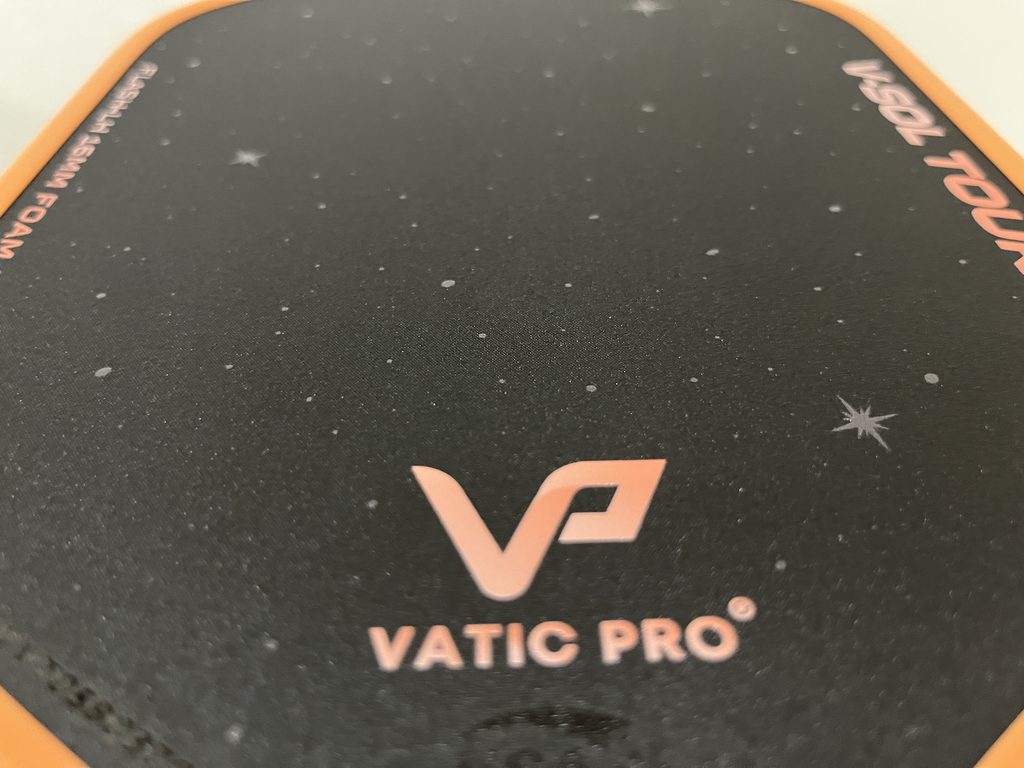
Somehow, the V-Sol Tour is also USAP approved. After playing with it, I honestly wondered how a surface this aggressive made it through USAP certification because the spin was ridiculous. But the V-Sol Tour is not just about spin, and after comparing all four paddles, there are some pretty clear differences between them.
Vatic V-Sol Tour First Impressions
I have known Darryl, the CEO of Vatic Pro, for a long time, so I was really excited to get the V-Sol Tour in hand. I already liked the V-Sol Pro, V-Sol Power, and even the older Prism Flash paddles. The V-Sol Pro especially impressed me because it felt like a Swiss Army knife paddle with good control, good spin, enough power, and a foam-core construction for under $100 after the discount code.
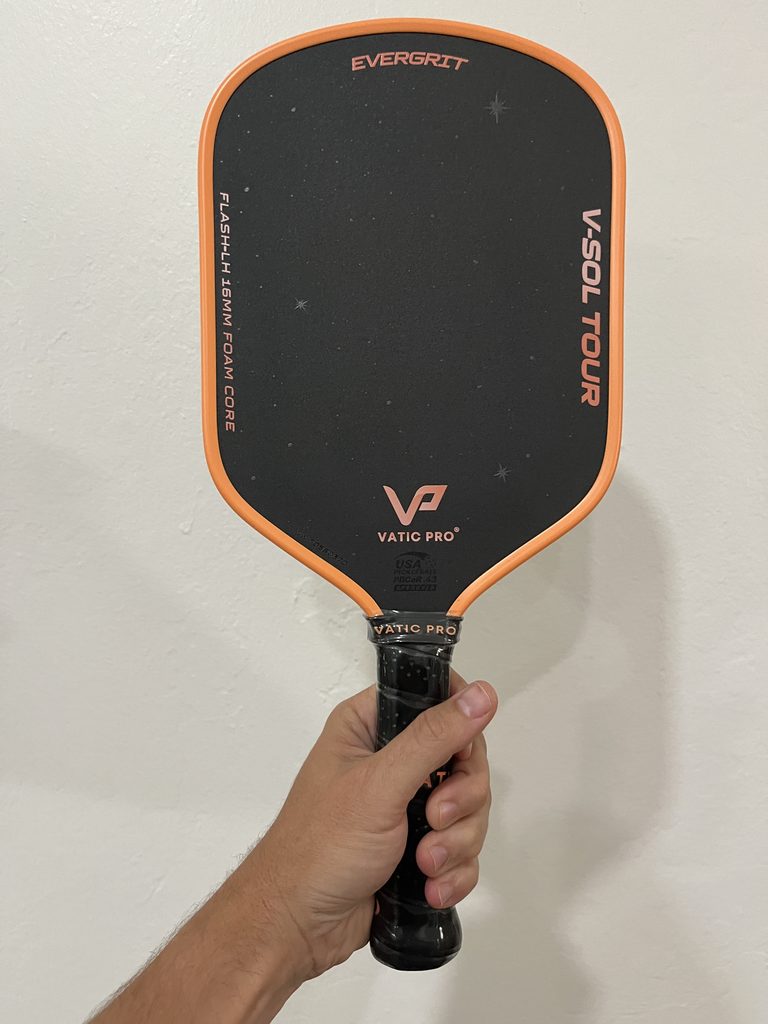
So, when Vatic announced the new V-Sol Tour with its EverGrit surface, I wanted to test it as quickly as possible. I’m glad I did because the Tour feels like a meaningful evolution of the V-Sol line rather than just another small variation. It still has that familiar Vatic feel, but it is noticeably more aggressive.
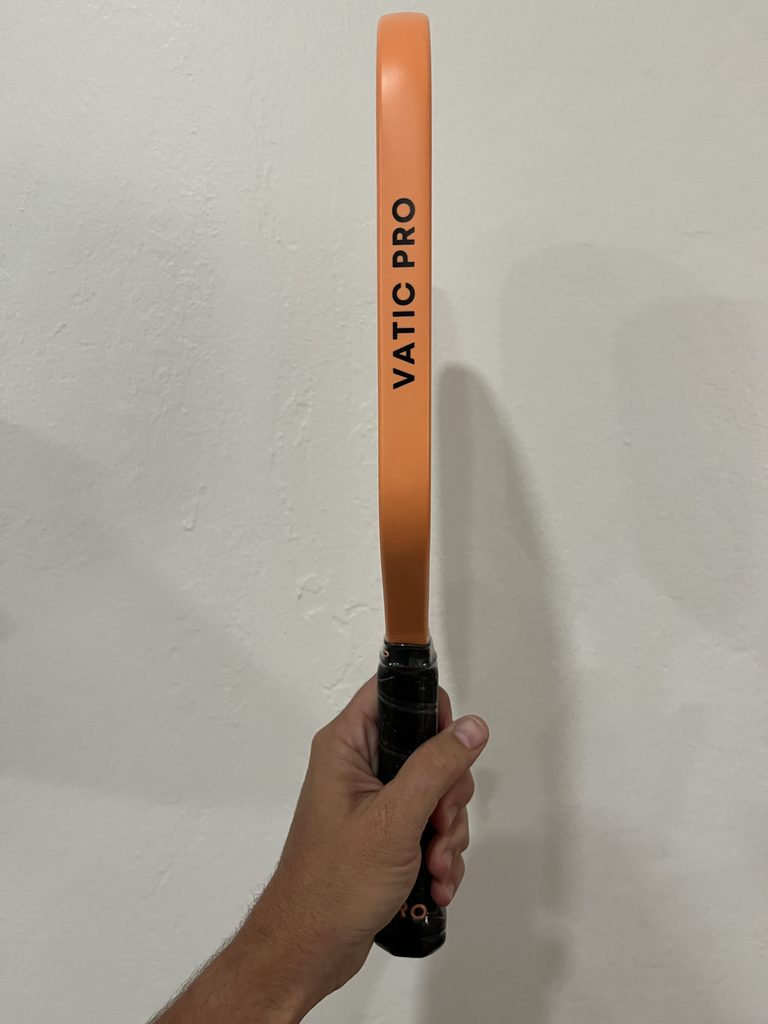
Vatic positions the V-Sol Tour as more of a power paddle, but it only has slightly more pop and power than the V-Sol Pro. That distinction is important because this does not feel like Vatic took the V-Sol Pro and turned it into an uncontrollable power paddle. Instead, it feels like they added more bite, more power, and a more aggressive surface while maintaining much of the familiar V-Sol feel.
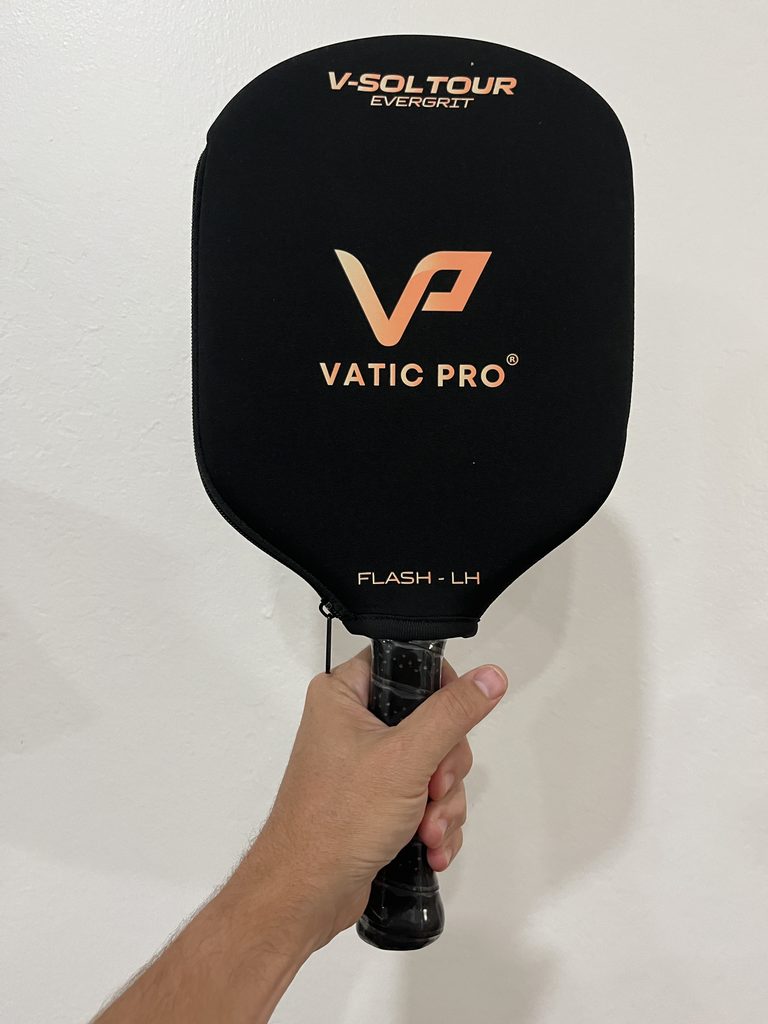
Vatic also adjusted the core density because the EverGrit surface changes the overall feel of the paddle. I think that was a smart move because sometimes when brands add an extremely aggressive surface, the paddle can start feeling harsh or strange. The V-Sol Tour did not feel that way to me and still felt very much like a Vatic paddle, just a more aggressive version.
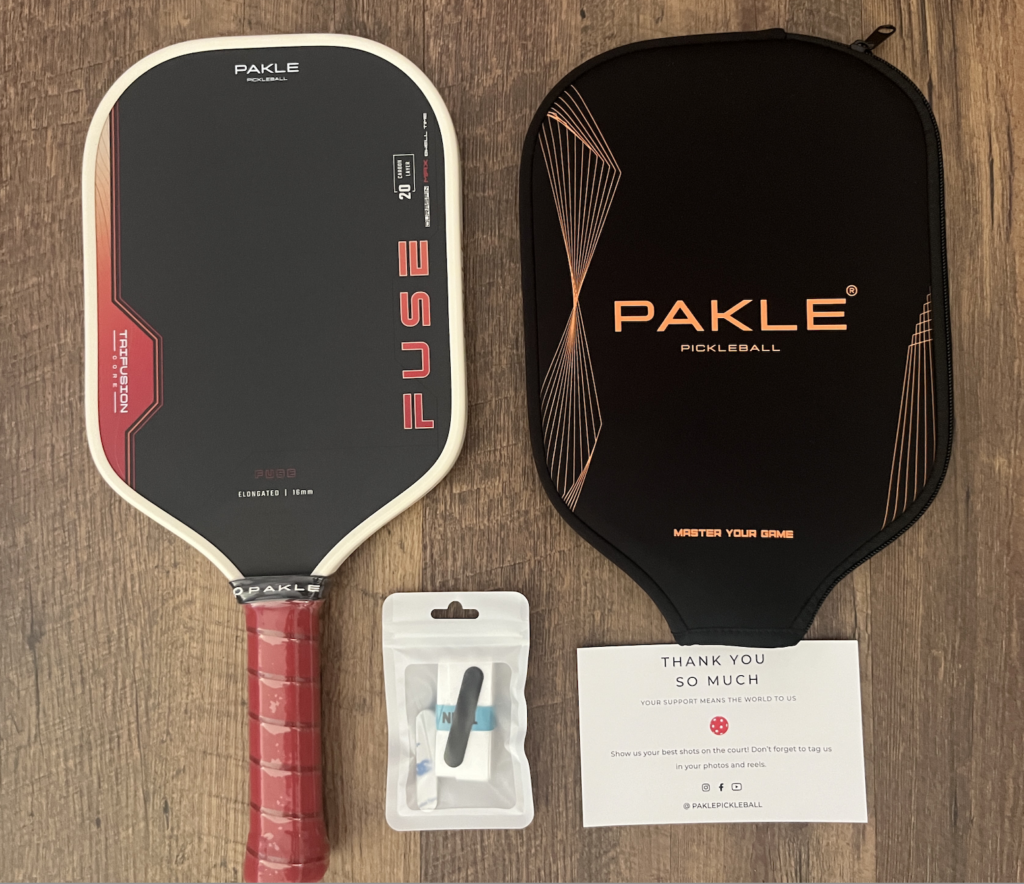
I know we are focusing on the V-Sol Tour, but the Pakle Fuse’s first impressions still take the cake with complimentary over grip and tape, although it took around 1 month to get the paddle (just FYI).
New V-Sol Tour Shape
Vatic is also updating the paddle shapes with the V-Sol Tour. The old V7 Standard Handle and V7 Long Handle are being replaced by a new Elongated shape, and the elongated model has a 5.5-inch handle. I really like that change because 5.5 inches is a great middle ground for me.
That handle length gives you enough room for a two-handed backhand without making the paddle feel excessively long or awkward. The launch version also has the same celestial-style design language as the V-Sol Pro, with the limited-edition model using a pastel orange or peach edge guard. Standard black edge guard versions should also become available.
The design looks good, but the more important question is how these paddles actually play. That is where the differences between the V-Sol Tour, V-Sol Pro, Spartus Spitfire, and Pakle Fuse become a lot clearer. Let’s start with power.
Power: Pakle Fuse Is Still #1
If pure power is your priority, I would still choose the Pakle Fuse. That paddle is designed around power, and you notice it almost immediately because the ball jumps off the face on drives, serves, counters, overheads, and speedups. You do not need a massive swing to generate pace with it.
If you get a ball around waist height, you can take a relatively compact swing and still put a lot of pressure on your opponent. The downside is that the Fuse requires the most discipline of the four paddles. I would not call it uncontrollable, but if your timing is slightly off or your paddle face stays open a little too long, the ball can travel deeper than you wanted.
For pure power, though, the Fuse wins this comparison for me. It simply gives you more easy speed off the face than the other three paddles. If your game is built around attacking first and asking questions later, that is a major advantage.
V-Sol Tour Power
The V-Sol Tour comes in second for me, and this is where I think Vatic did a really good job. It has noticeably more power than the V-Sol Pro, but I never felt like the paddle became difficult to control. On drives, serves, and counters, I could feel the extra pop while still feeling comfortable swinging aggressively.
That was one of my issues with the V-Sol Power. The V-Sol Power gave me plenty of power, but I did not feel like I had the same control I got from the V-Sol Pro. The Tour feels like it sits somewhere between those two paddles.
You get more power than the V-Sol Pro, but more control than the V-Sol Power. I think that is a really good place for this paddle to be because it gives aggressive players more offense without making the paddle feel overly hot. For an all-court player who still wants legitimate power, the Tour makes a lot of sense.
Spartus Spitfire Power
The Spartus Spitfire comes in third, although it is pretty close to the V-Sol Tour. The Spitfire has very good power, but it feels a little more connected to your actual swing than the Pakle Fuse. It is not quite as instantly explosive, but you can still generate a lot of pace with it.
The elongated shape and slightly head-heavy feel give the paddle good momentum through the ball. For me, the Spitfire gives you an excellent combination of power, leverage, and spin. That is one of the reasons I liked it so much when I originally tested it.
V-Sol Pro Power
The V-Sol Pro comes in fourth for power. It still has enough pop to play aggressively, and I never felt underpowered while using it. However, I would consider it more of a control-first all-court paddle than something designed around generating easy pace.
That is not necessarily a negative because the Pro is trying to do something different than the Fuse or Tour. Players who generate plenty of their own power may actually prefer the softer and more predictable response. But if we are ranking these four purely on power, the V-Sol Pro finishes last.
Power Rankings
- Pakle Fuse
- Vatic V-Sol Tour
- Spartus Spitfire
- Vatic V-Sol Pro
Spin: The V-Sol Tour Is Ridiculous
Spin was probably the category that surprised me the most. The V-Sol Tour has ridiculous grit for the price, and in my opinion, this may be the best grit available right now on a paddle around $100. That is saying a lot considering how many good spin paddles are currently available in this price range.
The Spartus Spitfire already has excellent spin, the Pakle Fuse has very good spin, and the V-Sol Pro had better spin than I originally expected. But the V-Sol Tour feels like Vatic took a significant step forward. I noticed the difference almost immediately when I started playing with it.
My serves had more movement, topspin drives dipped harder, and slices stayed lower. When I really tried to shape the ball, I felt like the V-Sol Tour gave me noticeably more bite than the V-Sol Pro. The surface gives you a lot of confidence when you want to swing aggressively and trust the ball to come back down.
EverGrit Spin Retention
The other interesting part is that Vatic designed the EverGrit surface with spin retention in mind. According to Vatic, a prototype received Tier 1 spin-retention results with only a 2.9% loss during John Kew’s accelerated wear testing. That is encouraging because surface longevity has become an increasingly important part of evaluating expensive pickleball paddles.
Obviously, I still want to see how the paddle performs after months of real-world play. Accelerated testing is useful, but it is not exactly the same thing as actually playing with a paddle several times per week over a long period. From a first-impression standpoint, though, the spin is excellent.
Spartus Spitfire Spin
The Spitfire comes in second for me. It has been one of my favorite spin paddles around this price point because the surface gives you a lot of bite on topspin serves, dipping thirds, roll volleys, and crosscourt drives. I always felt like I could shape the ball really well with it.
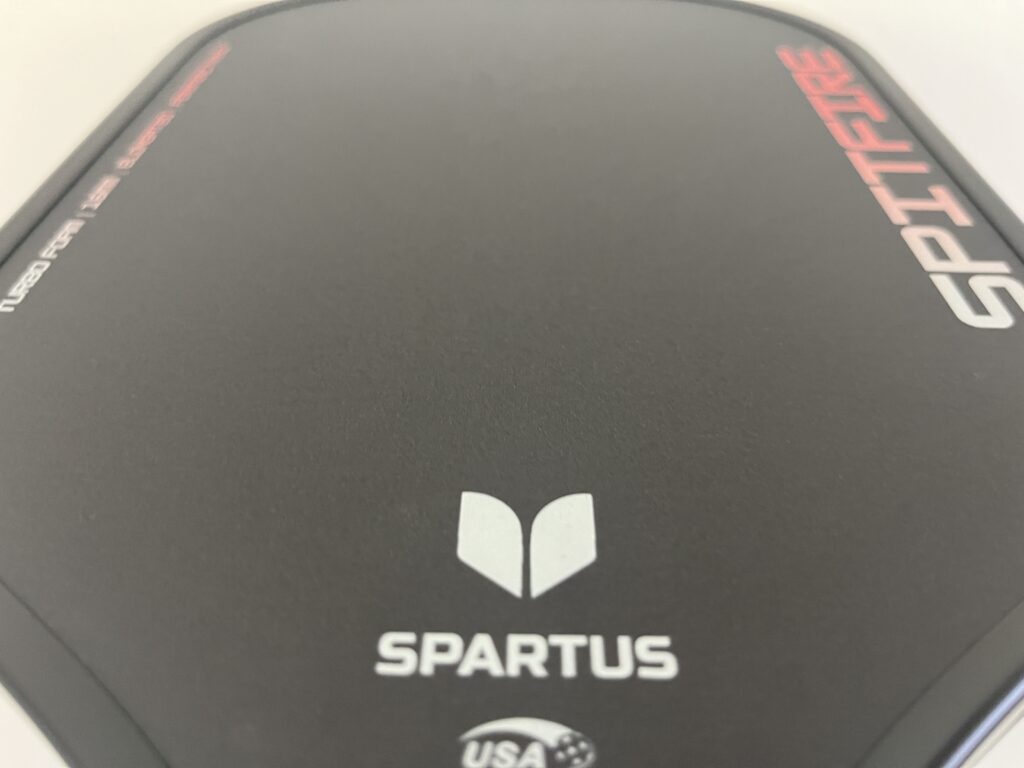
One of the things I liked most about the Spitfire was that I could swing aggressively and trust the spin to help bring the ball back down into the court. That makes it especially enjoyable for players who like generating a lot of topspin. The V-Sol Tour edges it out for me, but the Spitfire is still excellent in this category.
Pakle Fuse Spin
The Pakle Fuse comes in third. The Fuse still has very good spin, but spin is not really the primary reason I would buy it. The main reason to choose the Fuse is the power.
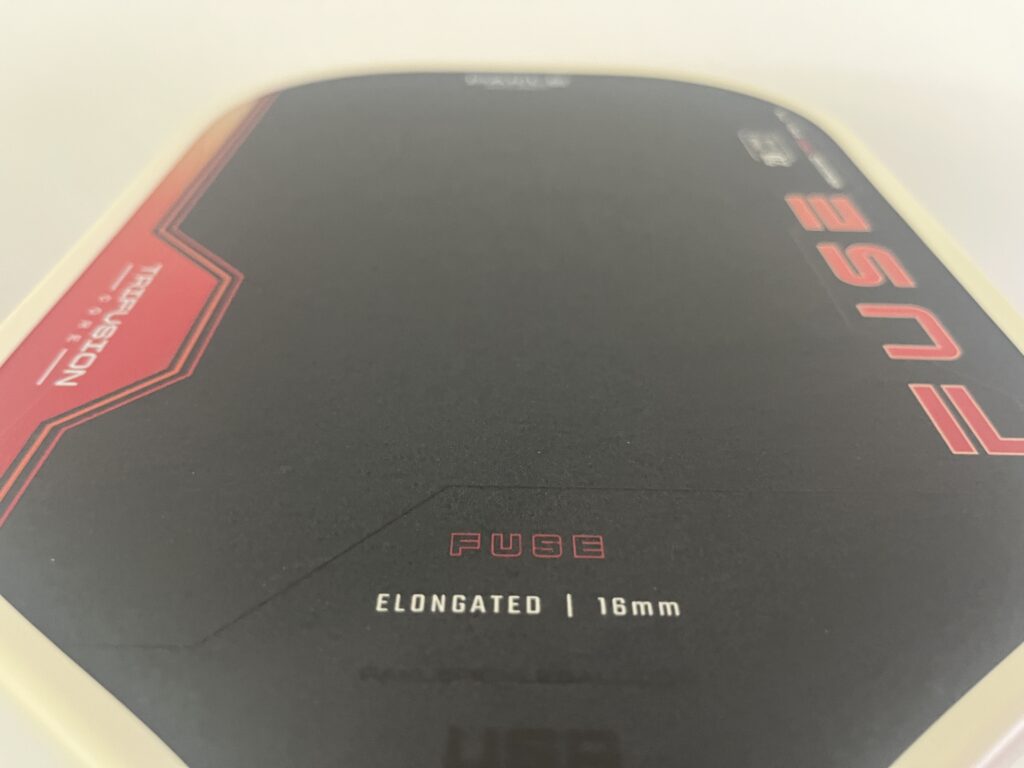
Its DuraSpin surface gives you enough bite to manage some of that extra pace and shape the ball effectively. However, I would not put it above the Tour or Spitfire for pure spin. It is more of a power paddle that also happens to have good spin rather than a paddle I would buy specifically for its surface.
V-Sol Pro Spin
The V-Sol Pro comes in fourth, although I want to be clear that it is still a good spin paddle. When I originally compared the V-Sol Pro and V-Sol Power, I actually preferred the Pro for spin. My knuckle serve felt especially good with it, and I was able to generate nice topspin and slice.
The problem for the Pro is simply how good the other three paddles are. Next to the new V-Sol Tour, the difference is especially obvious because the EverGrit surface gives you so much more bite. The Pro still performs well, but it is clearly behind the Tour in this category.
Spin Rankings
- Vatic V-Sol Tour
- Spartus Spitfire
- Pakle Fuse
- Vatic V-Sol Pro
Control: V-Sol Pro Still Wins
Control might be the most interesting category because all four paddles control the ball differently. For pure control, I would still choose the V-Sol Pro because it has always had a comfortable and predictable feel. Drops, dinks, resets, and placement shots all felt very natural when I tested it.
I actually remember hitting one drop shot with it where my partner joked that he was admiring the drop so much that he forgot to play the next ball. That is the type of paddle the V-Sol Pro is. It gives you confidence when you are trying to place the ball rather than simply overpower somebody.
The Pro does not demand as much adjustment as the more powerful paddles in this comparison. I felt like I could immediately trust how the ball was going to come off the paddle face. For players who prioritize consistency and the soft game, that predictability matters a lot.
V-Sol Tour Control
The V-Sol Tour comes in second, and this is a huge reason why I like the paddle overall. It has more power than the Pro and significantly more grit, but I did not feel like I sacrificed much control. That balance is probably the most impressive thing about the Tour.
Sometimes when you add pop and a highly aggressive surface to a paddle, the soft game becomes significantly harder. I did not experience that with the Tour because drops, dinks, resets, and transition shots still felt manageable. I would not call it as controlled as the V-Sol Pro, but it is not far behind.
For many players, I actually think the Tour may offer the better overall balance. You sacrifice a little pure control compared to the Pro, but you gain a meaningful amount of power and spin. That tradeoff works really well for the way I like to play.
Spartus Spitfire Control
The Spitfire comes in third. For an aggressive paddle, the control is still pretty good, and the paddle feels stable enough that I never thought it was wildly unpredictable. The strong spin also helps you keep aggressive shots inside the court.
However, I still think the Spitfire naturally wants you to attack. It feels especially good on topspin drives, serves, aggressive thirds, and singles-style points. That does not mean it has bad control, but it would not be my first choice if the soft game was my biggest priority.
Pakle Fuse Control
The Pakle Fuse comes in fourth. Again, that does not mean it is uncontrollable because it is actually more manageable than I expected considering how powerful it is. There is simply more of an adjustment period compared with the other three paddles.
On resets, passive blocks, and drops, the ball can occasionally come off the paddle hotter than you expect. An aggressive player may happily make that tradeoff in exchange for the extra power the Fuse provides. If you build your entire game around soft shots and consistency, though, I would probably choose one of the other three.
Control Rankings
- Vatic V-Sol Pro
- Vatic V-Sol Tour
- Spartus Spitfire
- Pakle Fuse
Vatic V-Sol Tour vs V-Sol Pro
I think this is probably the most important comparison for anyone already considering a Vatic paddle. The easiest way I would explain the difference is that the V-Sol Pro gives you more control, while the V-Sol Tour gives you more power and more spin. They still share enough of the same characteristics that both feel unmistakably like Vatic paddles.
The V-Sol Pro is the safer option if your biggest priorities are drops, resets, dinks, and consistency. It has a more control-oriented feel and is easier to trust in the soft game. If you are a player who already generates plenty of your own power, the Pro could still be the better fit.
The V-Sol Tour is more aggressive without becoming difficult to manage. You get a much grittier surface and slightly more pop and power, while still retaining plenty of control. If I were personally choosing between the two, I would take the V-Sol Tour.
Cost Considerations
One of the best things about all four paddles is the value. These are not $200+ paddles, and they are all competing around that roughly $100 category.
Vatic V-Sol Tour Price
The V-Sol Tour offers excellent spin, good power, solid control, and the new EverGrit surface at a very competitive price. If it stays close to the V-Sol Pro in cost, I think it could be one of the best values in this group.
$10 Off Discount Code: BEPICKLEBALLER
Vatic V-Sol Pro Price
The Vatic V-Sol Pro retails for around $109.99, and code BEPICKLEBALLER saves $10 to bring it under $100. For a control-first foam-core paddle with good spin, that is still a very strong value.
$10 Off Discount Code: BEPICKLEBALLER
Spartus Spitfire Price
The Spartus Spitfire is around $109.99, and code BEPICKLEBALLER brings it under $100. For that price, you get excellent spin, strong power, and an aggressive elongated shape that feels more premium than the cost suggests.
Pakle Fuse Price
The Pakle Fuse generally runs around $109 to $119, and code BEPICKLEBALLER saves 15%. Considering how much raw power it offers, I think it is an excellent value for aggressive players.
Which Paddle Would I Choose?
If I could only choose one paddle from this comparison, I would choose the Vatic V-Sol Tour. For me, it gives the best overall combination of spin, grit, power, control, and value. It does not necessarily win every individual category, but it performs extremely well across all of them.
I already liked the V-Sol Pro, and the Tour takes a lot of what I liked about that paddle and makes it more aggressive. You get some extra power and a significantly more aggressive surface without making the paddle too difficult to control. That is exactly the type of paddle I usually gravitate toward.
Choose the Vatic V-Sol Tour If…
You want the best overall paddle in this comparison. It gives you excellent spin, strong power, good control, and probably the most impressive surface of the four. I think it is the best choice for players who want a true all-court paddle but still want enough offense to attack aggressively.
The biggest reason I would choose it is balance. It comes close to the Pakle Fuse in power, beats the other paddles for me in spin, and still gives you very good control. There are not many obvious weaknesses in the overall package.
Choose the Vatic V-Sol Pro If…
You want the most control. If your game is built around drops, dinks, resets, placement, and consistency, the V-Sol Pro is still a great option. It has a softer and more predictable feel than the other paddles in this comparison.
I would especially consider the Pro if you already generate a lot of your own power and do not need extra help from the paddle. You give up some spin and offense compared with the Tour, but you gain a little more confidence in the soft game. For the right player, that is a worthwhile tradeoff.
Choose the Spartus Spitfire If…
You want a combination of power, spin, and an aggressive elongated shape. I especially like this paddle for singles players, tennis-style players, and players who like generating a lot of topspin. The shape and slightly head-heavy feel give you good leverage when you are driving through the ball.
The Spitfire is also a strong option if you like attacking from the baseline and transitioning forward. It has plenty of power without feeling as explosive as the Fuse, and the spin is excellent. For an aggressive player who likes an elongated paddle, it remains one of my favorite choices around $100.
Choose the Pakle Fuse If…
You want the most raw power. The Fuse is the most explosive paddle in this comparison and makes the most sense for players who want to attack, counter aggressively, and finish points quickly. The ball simply comes off the face faster than it does with the other three paddles.
You do sacrifice some control in exchange for that power, so I would not recommend it first to someone who prioritizes the soft game. But if your style is aggressive and you want your paddle to help you generate as much pace as possible, the Fuse is the clear choice. It is a very fun paddle if that matches your game.
For me personally, I am choosing the Vatic V-Sol Tour. It feels like one of the most exciting paddles around $100 that I have tested recently, and the EverGrit surface might be the biggest reason why. More importantly, it gives me the overall balance of spin, power, and control that I want from an all-court paddle.
Leave a Reply